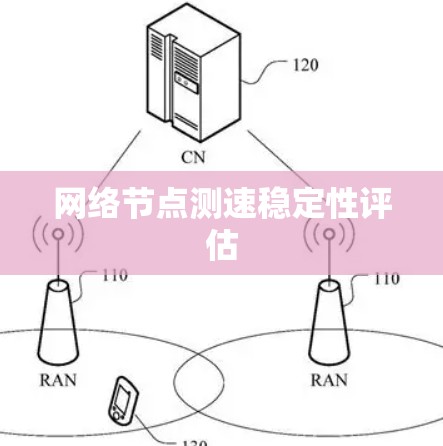

A static IP VPN is a specialized type of VPN that uses a fixed, static IP address for both the server and client connections. Here's a structured overview of how it works and its considerations:
- A static IP VPN involves a central server with a fixed IP address connecting to the client.
- The client then connects to another server on the same static IP, enabling secure communication.
-
Security Considerations:
- The fixed IP address provides a layer of security against changes, as encryption keys remain unchanged.
- This setup can be a security risk if the key is compromised, as it affects all connections.
-
Use Cases:
- Simplified Access Control: Static IP VPNs are used in environments requiring restricted access, such as enterprise settings.
- Network-Specific Solutions: They are ideal for networks with limited IP address ranges or specific security requirements.
-
Comparison with Dynamic IP VPNs:
- While dynamic IPs offer flexibility, static IPs provide simplicity and stability.
- Static IPs are more commonly used in enterprise environments where simplicity and security are priorities.
-
Tools and Protocols:
- Use protocols like HTTP/HTTPS for encryption.
- The fixed IP address minimizes dynamic IP changes, which can be beneficial for certain security needs.
-
Ease of Setup and Management:
Static IP VPNs are easier to set up and manage due to the fixed IP, making them suitable for businesses seeking simplicity.
In conclusion, static IP VPNs offer a straightforward solution for secure communication with specific IP requirements, though their security and flexibility may be trade-offs against dynamic solutions.